Private labelling is one of the most effective strategies available to food importers who want to build brand equity without investing in their own manufacturing infrastructure. Instead of reselling a third-party branded product, you sell the same quality product under your own label, with your own packaging, positioning, and pricing strategy. In the coconut products category, private labelling has become an increasingly attractive option as global demand for coconut milk, coconut cream, and related products continues to grow.
This guide explains everything importers need to know before entering into a private labelling arrangement with a coconut product manufacturer.
What Private Labelling Actually Involves
At its core, private labelling is an arrangement where a manufacturer produces a product to your specification and packages it under your brand name. The manufacturer handles sourcing of raw materials, processing, quality assurance, and packaging, while you focus on brand development, sales, and distribution. You own the brand. The manufacturer owns the factory.
For coconut products, this typically means choosing from a manufacturer’s existing product range, such as organic or conventional coconut milk in various fat contents, coconut cream, or desiccated coconut, and having it filled into packaging that carries your label. Some manufacturers also offer co-manufacturing, where they work with you to develop a custom formulation or recipe using their base ingredients.
Why Sri Lanka Is the Smart Sourcing Choice
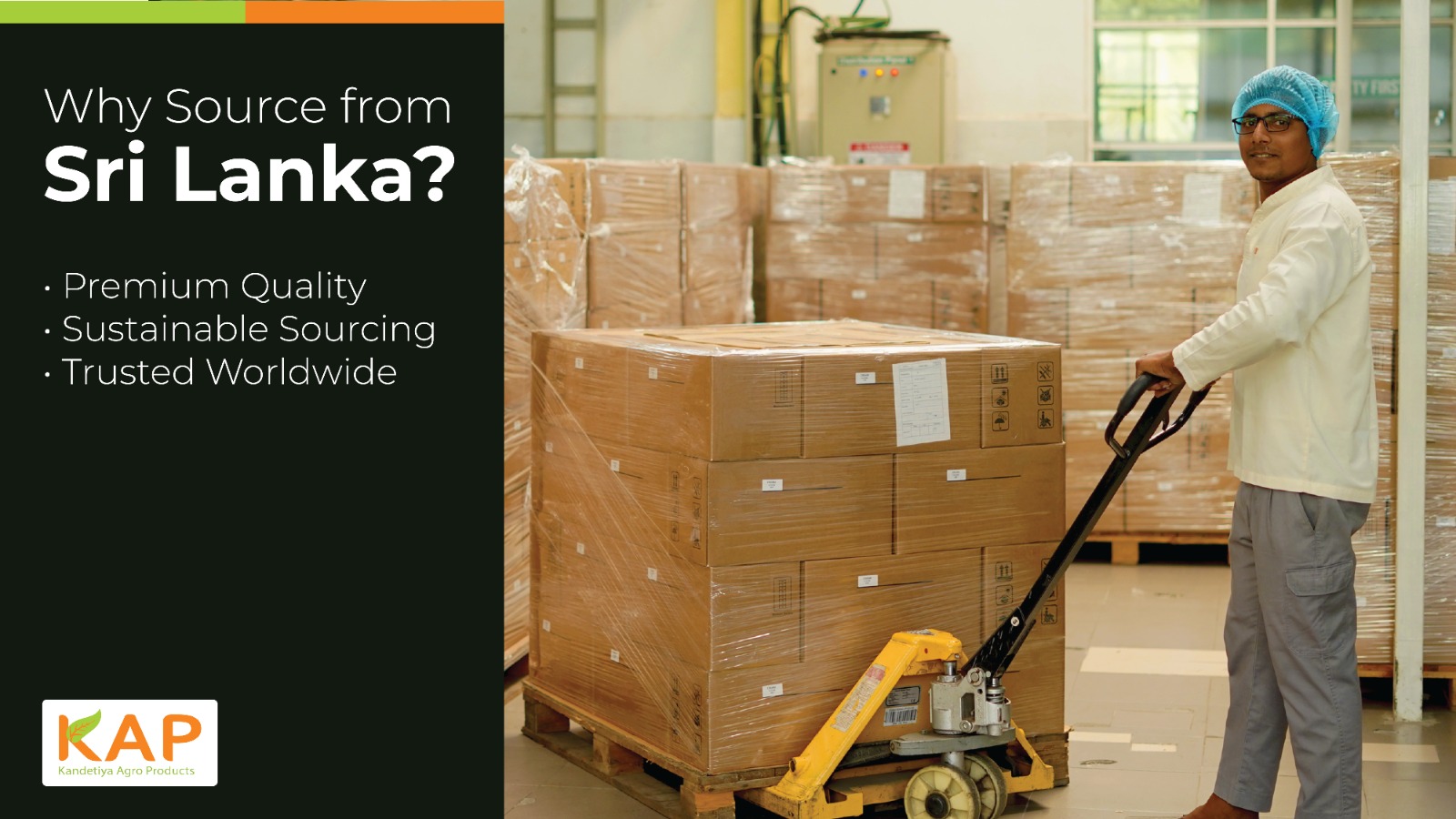
Sri Lanka produces some of the world’s highest quality coconuts, grown in a climate and soil environment that has supported coconut cultivation for centuries. The country has a well-established export infrastructure, experienced manufacturers who understand international regulatory requirements, and a strong track record of supplying private label products to brands across Europe, North America, Australia, and Asia.
Manufacturers based in Sri Lanka also typically hold a comprehensive set of certifications that are directly relevant to private label buyers. BRCGS AA, USDA Organic, EU Organic, Halal, Kosher, Fairtrade, and Vegan certification are all available from leading Sri Lankan producers, which means your private label product can enter virtually any market and meet the expectations of any consumer segment.
Understanding Minimum Order Quantities
One of the first conversations you will have with any private label manufacturer is about minimum order quantities, commonly referred to as MOQs. These define the smallest volume of product you can order in a single production run. MOQs exist because manufacturers need to justify the setup costs associated with configuring their filling lines, printing packaging, and scheduling production time.
If you are testing a new market or launching a new product, high MOQs can be a significant barrier. Look for manufacturers who offer flexible MOQ arrangements, particularly for first orders, as this allows you to enter the market with manageable risk and scale up as demand becomes clearer. Some Sri Lankan manufacturers have invested specifically in production capabilities that allow them to offer lower MOQs without compromising on the quality or efficiency of the process.
Packaging Options and Customisation
For coconut milk and coconut cream, the most common packaging formats for private label products are Tetra Pak style aseptic cartons in 200ml and 1000ml sizes. These formats are widely accepted by retailers in most markets and offer excellent shelf stability thanks to the aseptic filling process used during production.
When it comes to label design, you will work with your manufacturer to understand the technical requirements for printing, including bleed areas, font size restrictions for mandatory information, and any market-specific labelling regulations. A good private label manufacturer will guide you through these requirements rather than leaving you to navigate them alone.
Certifications and Compliance
One of the most valuable aspects of sourcing private label coconut products from a well-certified manufacturer is that their certifications can often cover your product too. When a manufacturer holds USDA Organic certification, for example, the organic status of their products can be transferred to your private label, provided you comply with the relevant documentation requirements. The same applies to Fairtrade, EU Organic, and other standards.
This saves you the considerable time and cost of obtaining your own certifications, particularly when you are just entering a market. Make sure you discuss certification coverage explicitly with any manufacturer you are considering, and request copies of their certification documents so you can share them with retailers or regulatory bodies as needed.
Lead Times and Logistics Planning
From the point of order confirmation to the arrival of your goods at your warehouse, you should plan for a timeline of between eight and fourteen weeks depending on production scheduling, packaging procurement, and shipping time. Manufacturers who maintain ready stocks of packaging materials and raw materials can often compress this timeline, which is a meaningful advantage when you are managing seasonal demand or a product launch deadline.
Build a relationship with your manufacturer that includes regular communication about production schedules. The best private label partnerships are those where both parties treat each other as long-term collaborators rather than one-off transaction partners. Proactive manufacturers will alert you to potential delays before they become problems, giving you time to adjust your own plans accordingly.
Evaluating a Private Label Partner
Before committing to a private label arrangement, visit the facility if possible, or arrange for a virtual audit. Ask to see production records, quality test reports, and certification documents. Request samples from multiple batches to assess consistency. Speak with other brands they already produce for, if the manufacturer is willing to facilitate introductions.
A manufacturer who is proud of their operation will welcome this level of scrutiny. One who is evasive or unprepared for due diligence questions should prompt serious caution. The private label relationship involves trusting someone else to produce something that will carry your brand name, and that trust should be earned before it is given.
