
Why Halal, Kosher and Vegan Certifications Matter When Sourcing Coconut Products
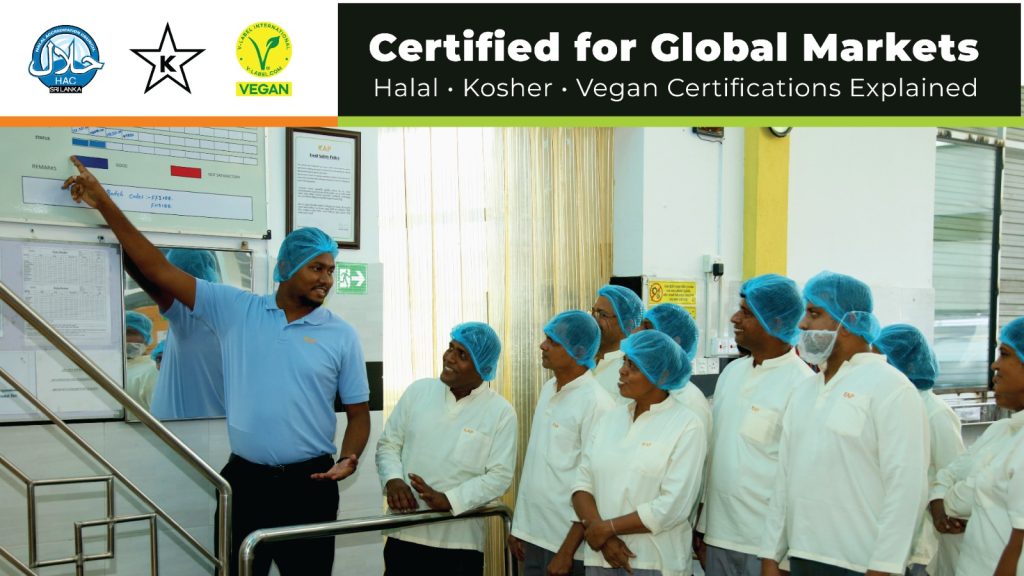
Food certifications are often treated as a compliance checkbox rather than a strategic commercial asset. For businesses sourcing coconut products, this is a missed opportunity. Halal, Kosher, and Vegan certifications each open the door to specific consumer segments and distribution channels that would otherwise be inaccessible, and they also carry credibility signals that influence purchasing […]
Global Coconut Products Market: Trends, Demand and Opportunities in 2026

The global market for coconut products has undergone a remarkable transformation over the past decade. What was once a category dominated by commodity buyers in Asia and a modest number of specialty importers in Western markets has evolved into a genuinely global trade spanning dozens of product categories, hundreds of applications, and billions of dollars […]
Desiccated Coconut Grades Explained
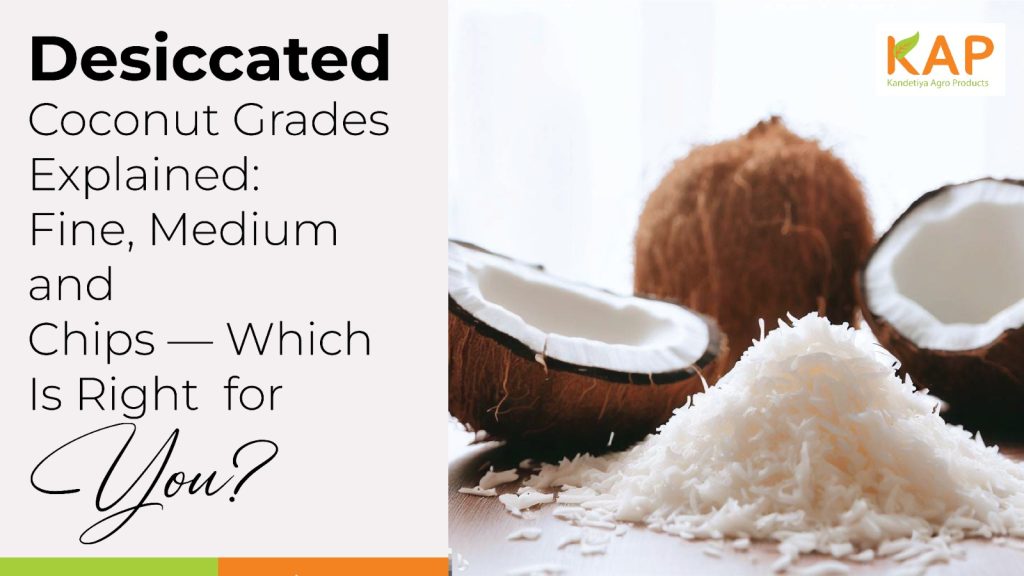
Desiccated coconut is one of those ingredients that appears in so many different food products that it is easy to treat as a single, uniform commodity. In reality, desiccated coconut is available in a range of distinct grades, each with different physical characteristics that make it suited to some applications and less suited to others. […]
Top 10 Reasons to Source Coconut Products from Sri Lanka
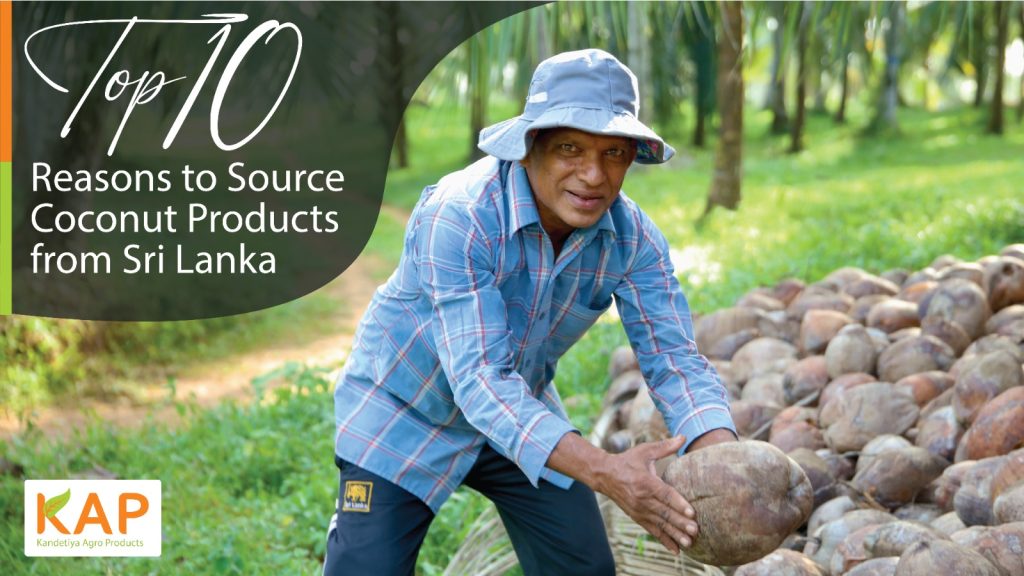
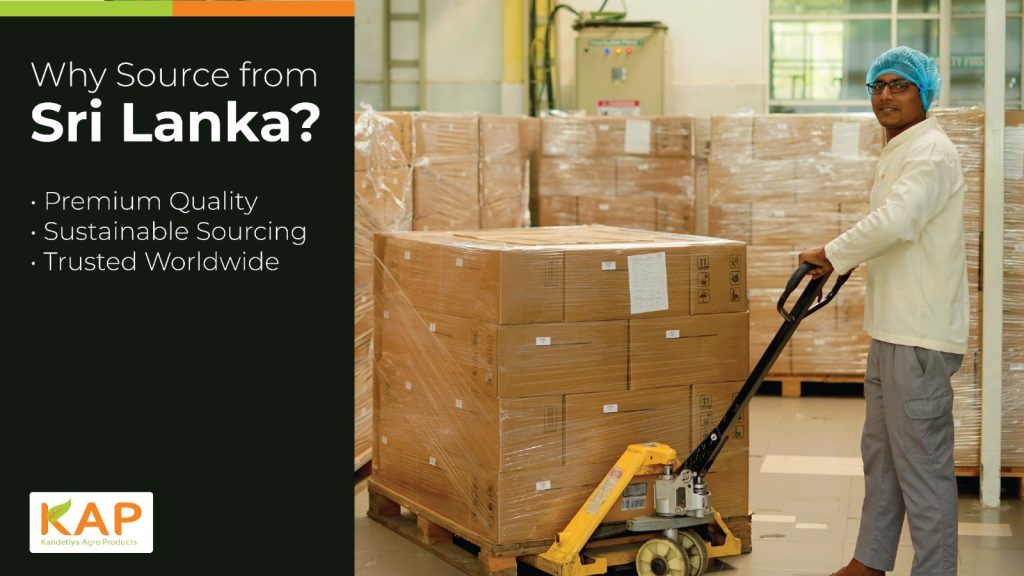
The global coconut products market has no shortage of suppliers. Thailand, Indonesia, the Philippines, and India all produce coconut-based ingredients at scale, and buyers in Europe and North America have long had access to products from each of these origins. Yet Sri Lanka consistently stands out as a preferred source for manufacturers, importers, and private […]
What Is UHT Coconut Milk? Benefits for Food Manufacturers and Distributors
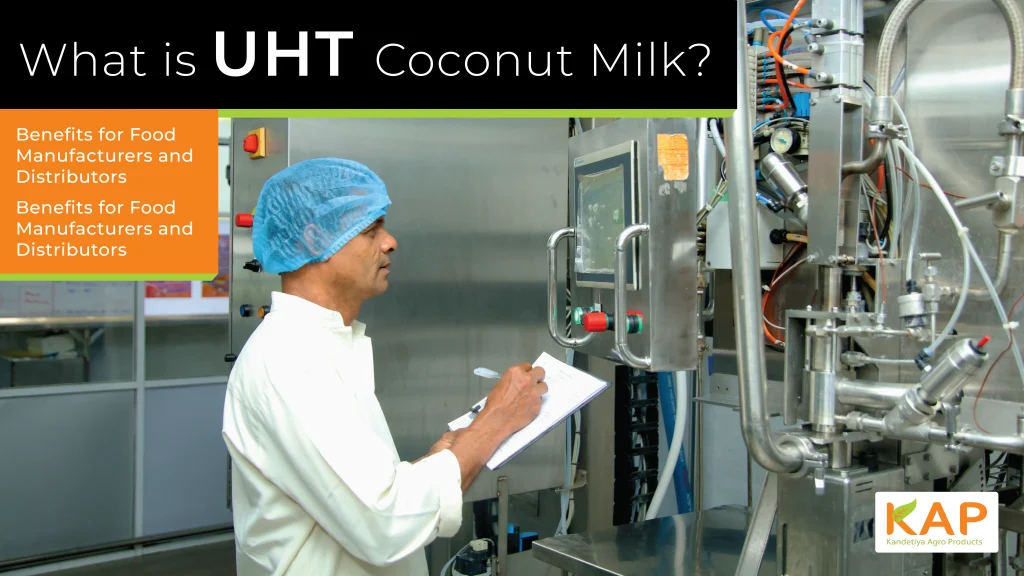
If you have spent any time researching coconut milk for manufacturing or wholesale purposes, you have almost certainly come across the term UHT. It appears on product specification sheets, export documents, and supplier websites with enough frequency that it is easy to assume everyone already knows what it means. But the distinction between UHT coconut […]
How to Choose the Right Coconut Milk Supplier for Your Food Business
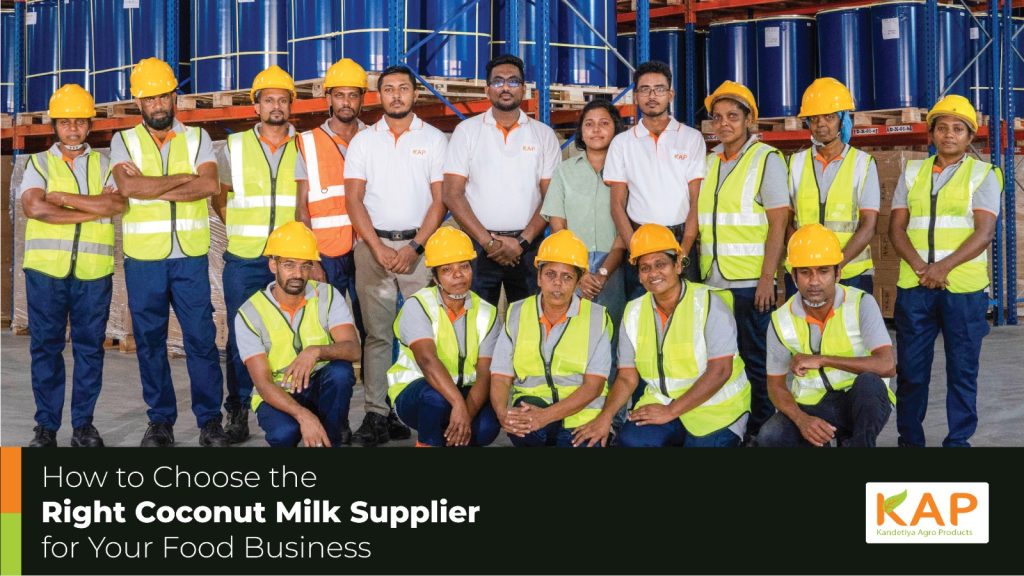
Sourcing coconut milk for a food business is not simply a matter of finding the cheapest option on the market. The supplier you choose will shape the consistency of your product, the safety of your supply chain, and ultimately the trust your customers place in your brand. Yet many food manufacturers and importers still treat […]
What Does BRCGS AA Certified Mean for Coconut Product Buyers?

If you have spent any time evaluating coconut product suppliers, you have probably encountered the term BRCGS AA. It appears in supplier credentials, on factory audit reports, and in procurement specifications from major retailers and food service operators. Despite its widespread use, the certification is not always well understood by buyers, particularly those who are […]
Coconut Cream vs Coconut Milk: Key Differences for Manufacturers
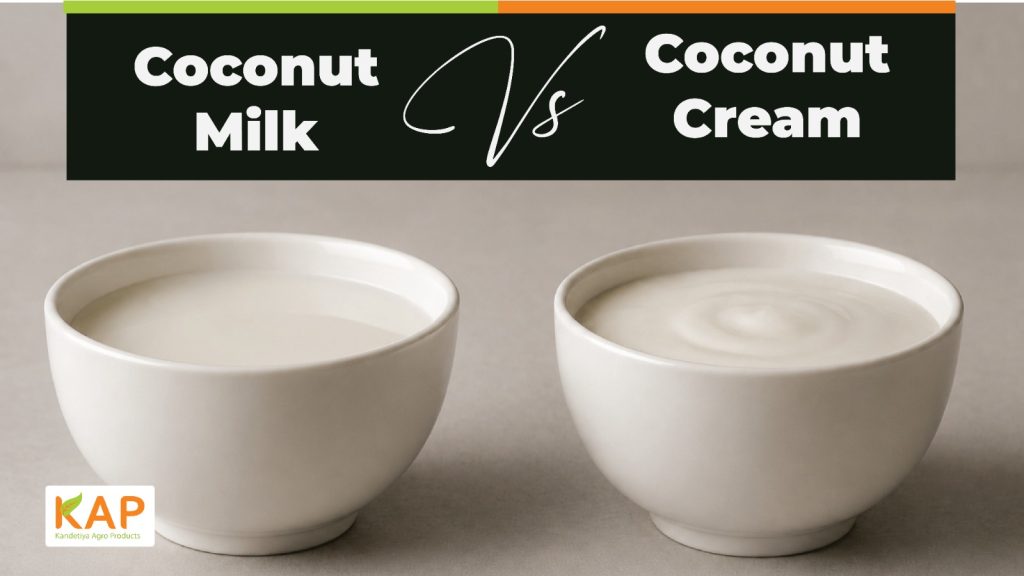
Coconut cream and coconut milk are often mentioned in the same breath, and in everyday consumer language the terms are sometimes used interchangeably. For food manufacturers, however, the distinction between these two products matters a great deal. They have different fat contents, different textures, different functional properties, and different optimal applications. Choosing the right one […]
The Environmental Benefits of Sourcing Certified Organic Coconut Products
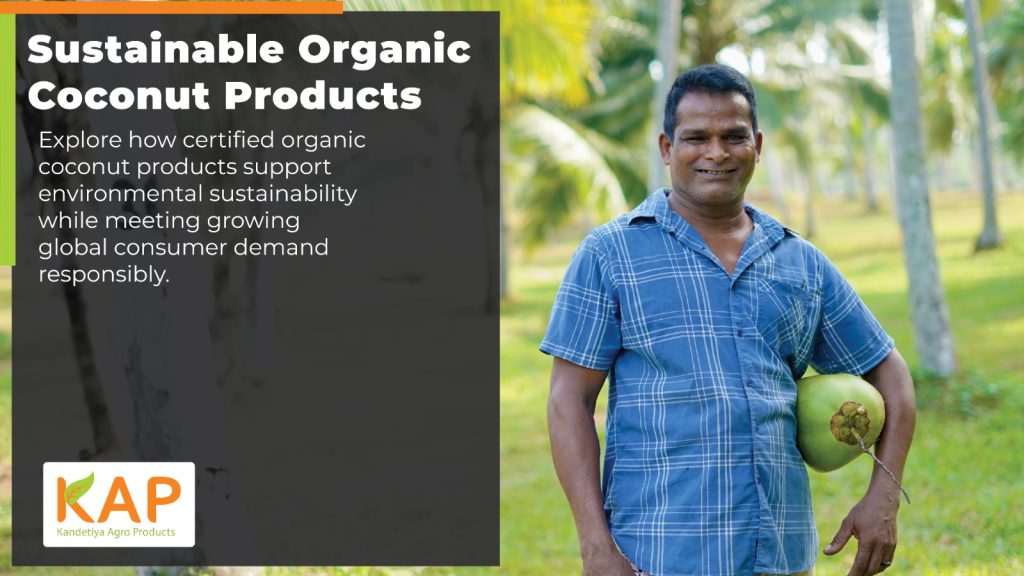
Sustainability has become one of the most important considerations in food sourcing decisions, and for good reason. The way ingredients are grown, processed, and transported has real consequences for the natural environment, for the communities that produce them, and ultimately for the long-term viability of the supply chains that food businesses depend on. Certified organic […]
Private Label Coconut Products: The Complete Guide for Importers
Private labelling is one of the most effective strategies available to food importers who want to build brand equity without investing in their own manufacturing infrastructure. Instead of reselling a third-party branded product, you sell the same quality product under your own label, with your own packaging, positioning, and pricing strategy. In the coconut products […]