
Coconut cream and coconut milk are often mentioned in the same breath, and in everyday consumer language the terms are sometimes used interchangeably. For food manufacturers, however, the distinction between these two products matters a great deal. They have different fat contents, different textures, different functional properties, and different optimal applications. Choosing the right one for your product can mean the difference between a recipe that works first time and one that requires repeated adjustment.
The Fundamental Difference Is Fat Content
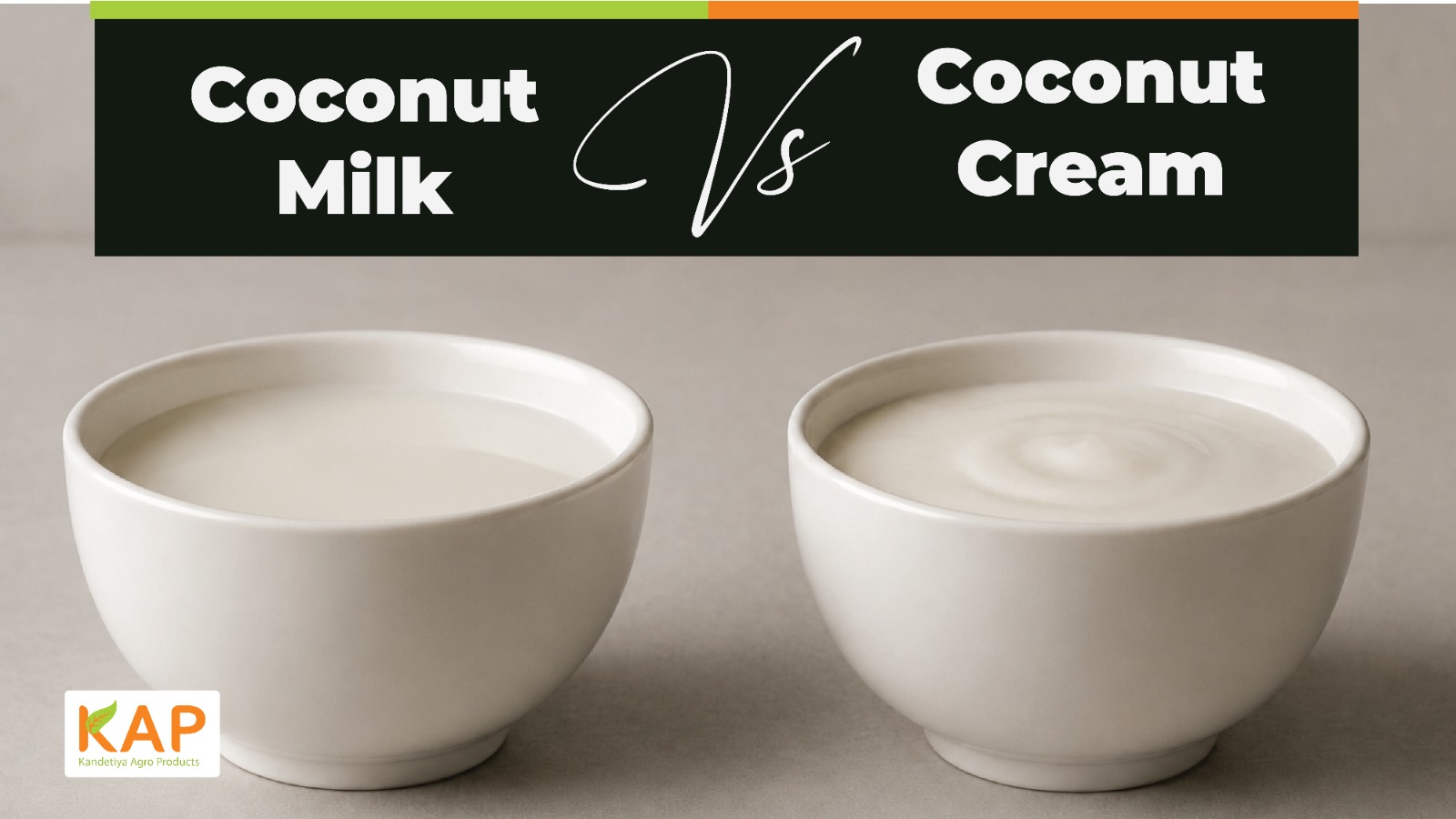
The most important distinction between coconut milk and coconut cream is fat content. Coconut milk typically contains around 18% fat, while coconut cream is considerably richer, with fat contents of 24% or 30% depending on the specification. Both products are extracted from the grated flesh of mature coconuts, but the extraction process and the ratio of coconut to water used in production determines the fat concentration of the final product.
This difference in fat content has cascading effects on every other property of the product. Coconut cream is thicker, richer in flavour, and more viscous than coconut milk. It also behaves differently during cooking and processing, which is why manufacturers rarely substitute one for the other without adjusting their formulation.
Texture and Viscosity in Manufacturing
For applications where mouthfeel and creaminess are central to the product experience, coconut cream is the preferred choice. Ice cream manufacturers use it to achieve the dense, rich texture that consumers expect from premium dairy-free alternatives. Confectioners working with ganaches, caramel fillings, and chocolate centres rely on its high fat content to deliver the smooth, indulgent finish that defines a quality product.
Coconut milk, being lighter and more fluid, is better suited to applications where a thinner consistency is desirable. Soups, curry bases, sauces, and drinking beverages are natural fits for coconut milk, as are applications where coconut provides flavour without dominating the overall texture of the finished dish.
Flavour Intensity
Higher fat content in coconut cream means a more concentrated and intense coconut flavour compared to coconut milk. For manufacturers who want coconut to be the dominant flavour note, cream is the obvious choice. For those using coconut as a supporting ingredient alongside other flavour profiles, milk provides a more subtle coconut presence that does not overpower the overall composition.
This distinction is particularly relevant in bakery and confectionery applications. A coconut-flavoured filling benefits from the intensity of cream, while a mildly coconut-inflected cake batter or sauce may work better with milk.
Homogenisation and Stability
Both coconut milk and coconut cream produced using UHT processing and homogenisation are stable at ambient temperatures throughout their shelf life, which is an important practical consideration for manufacturers. Homogenisation breaks down the fat globules in the product so they remain evenly distributed throughout the liquid rather than separating, which is the natural tendency of coconut fat when left to stand.
For manufacturing applications where consistent fat distribution matters, such as filling dosing systems or high-speed mixing processes, a well-homogenised product saves time and reduces variability. Always confirm with your supplier that their products are homogenised and check the stability specifications across the full temperature range at which you will be using and storing the ingredient.
Coconut Cream Infused with Coconut Water
A newer product category that has attracted significant interest from manufacturers in recent years is coconut cream or milk infused with coconut water. In this variant, some or all of the water used in the extraction process is replaced with coconut water, which naturally contributes electrolytes, minerals, and a slightly lighter, more refreshing flavour profile than plain water.
This product is particularly well suited to sports nutrition applications, functional beverages, and baby food products where nutritional enhancement is a key selling point. It is also gaining traction among manufacturers who want to differentiate their coconut-based products in a crowded market by offering a naturally enhanced nutritional story.
Making the Right Choice
If you are in the early stages of formulating a new product, the best approach is to request samples of both coconut milk and coconut cream in the relevant fat content specifications and run comparative trials in your actual production environment. Technical datasheets can tell you a great deal, but nothing replaces direct testing in the conditions under which the ingredient will actually be used.
A reputable supplier will provide not just samples but also application guidance and technical support to help you identify the right specification for your needs. That level of expertise is one of the things that separates a serious manufacturing partner from a commodity supplier.
